
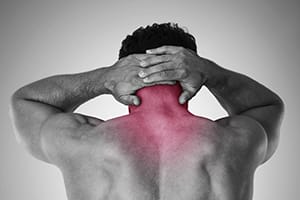
Ayurvedic treatment for muscle diseases focuses on reducing inflammation, strengthening muscles, and balancing the body’s doshas (Vata, Pitta, Kapha). Here are some Ayurvedic approaches for managing muscle diseases:
- Herbal Remedies
Ashwagandha (Withania somnifera): Known for its muscle-strengthening and anti-inflammatory properties.
Guggul: Helps reduce inflammation and pain.
Shatavari (Asparagus racemosus): Promotes muscle health and overall vitality.
Boswellia (Shallaki): Effective in reducing inflammation.
Turmeric (Curcuma longa): Powerful anti-inflammatory and antioxidant. - Panchakarma
Abhyanga (Oil Massage): Using medicated oils like Mahanarayan oil to improve circulation and reduce stiffness.
Swedana (Steam Therapy): To relax muscles and eliminate toxins.
Vasti (Medicated Enema): To cleanse the colon and balance Vata dosha.
Nasya (Nasal Administration): Using herbal oils to support respiratory health and reduce stress.
Virechana (Purgation Therapy): To detoxify the body and reduce inflammation. - Diet and Nutrition
Muscle-Nourishing Foods: Include proteins like legumes, nuts, seeds, and dairy (if suitable), along with fresh fruits and vegetables.
Anti-inflammatory Foods: Incorporate turmeric, ginger, garlic, and green leafy vegetables.
Avoid: Processed foods, excessive sugar, caffeine, and alcohol. - Yoga and Pranayama
Specific Yoga Poses: Such as Bhujangasana (Cobra Pose), Dhanurasana (Bow Pose), and Trikonasana (Triangle Pose) to improve muscle strength and flexibility.
Pranayama (Breathing Exercises): Techniques like Anulom Vilom (Alternate Nostril Breathing) and Bhramari (Bee Breathing) to reduce stress and improve oxygenation. - Lifestyle Changes
Regular Exercise: Gentle exercises, stretching, and strength training to maintain muscle health.
Proper Sleep: Ensure adequate rest to support muscle recovery and overall health.
Stress Management: Techniques like meditation and mindfulness to reduce stress, which can exacerbate muscle issues. - Ayurvedic Supplements
Chyawanprash: For overall strength and immunity.
Triphala: To support digestive health and detoxification.
Ashwagandha Supplements: To enhance muscle strength and reduce inflammation. - Local Applications
Herbal Pastes and Oils: Applying pastes made from herbs like turmeric, ginger, and mustard seeds can provide relief.
Epsom Salt Baths: To relax muscles and reduce pain. Specific Treatments
Mahanarayan Oil: Massaging with this oil can help reduce pain and improve muscle strength.
Rasnadi Churna: Used for external application to relieve muscle pain and stiffness.
Consulting with a qualified Ayurvedic practitioner is essential to develop a personalized treatment plan tailored to your specific condition and constitution. Integrating Ayurvedic treatments with conventional medical care can offer a comprehensive approach to managing muscle diseases.

Ayurvedic treatment for neurological diseases aims to balance the doshas (Vata, Pitta, Kapha), reduce inflammation, enhance nervous system health, and improve overall well-being. Here are some Ayurvedic approaches for managing neurological diseases:
- Herbal Remedies
Brahmi (Bacopa monnieri): Enhances cognitive function and calms the mind.
Ashwagandha (Withania somnifera): Reduces stress and supports nervous system health.
Shankhapushpi (Convolvulus pluricaulis): Improves memory and concentration.
Gotu Kola (Centella asiatica): Strengthens the nervous system and promotes mental clarity.
Jatamansi (Nardostachys jatamansi): Calms the nervous system and supports mental health. - Panchakarma
Abhyanga (Oil Massage): Using medicated oils to improve circulation and relax the nervous system.
Shirodhara: A continuous flow of medicated oil or buttermilk on the forehead to calm the mind and reduce stress.
Nasya (Nasal Administration): Using herbal oils to clear nasal passages and improve brain function.
vasti (Medicated Enema): To cleanse the colon and balance Vata dosha.
Virechana (Purgation Therapy): To detoxify the body and reduce inflammation. - Diet and Nutrition
Nervous System-Nourishing Foods: Include healthy fats like ghee, nuts, seeds, avocados, and coconut oil.
Anti-inflammatory Foods: Incorporate turmeric, ginger, garlic, and green leafy vegetables.
Avoid: Processed foods, excessive sugar, caffeine, and alcohol. - Yoga and Pranayama
Specific Yoga Poses: Such as Balasana (Child’s Pose), Shavasana (Corpse Pose), and Vajrasana (Thunderbolt Pose) to improve circulation and reduce stress.
Pranayama (Breathing Exercises): Techniques like Anulom Vilom (Alternate Nostril Breathing), Bhramari (Bee Breathing), and Nadi Shodhana (Channel Cleaning Breath) to enhance oxygenation and calm the mind. - Lifestyle Changes
Regular Exercise: Gentle exercises and stretching to maintain physical health and improve circulation.
Proper Sleep: Ensure adequate rest to support the nervous system and overall health.
Stress Management: Techniques like meditation, mindfulness, and yoga to reduce stress and improve mental clarity. - Ayurvedic Supplements
Chyawanprash: For overall strength and immunity.
Triphala: To support digestive health and detoxification.
Brahmi Supplements: To enhance cognitive function and reduce stress. - Local Applications
Herbal Pastes and Oils: Applying pastes made from herbs like turmeric and sandalwood can provide relief and support skin health.
Epsom Salt Baths: To relax muscles and reduce pain. - Specific Treatments
Medicated Ghee: Such as Brahmi Ghrita and Kalyanaka Ghrita, used internally to enhance cognitive function and support the nervous system.
Herbal Decoctions: Like Dashamoola and Ashwagandharishta to reduce inflammation and support overall health. - Cognitive and Sensory Stimulation
Mindful Activities: Engaging in activities that stimulate the mind, such as puzzles, reading, and artistic endeavors.
Sensory Stimulation: Using aromas, music, and tactile activities to engage and calm the nervous system.
It’s essential to consult with a qualified Ayurvedic practitioner to develop a personalized treatment plan tailored to your specific condition and constitution. Integrating Ayurvedic treatments with conventional medical care can offer a comprehensive approach to managing neurological diseases.
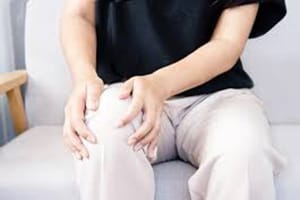
Ayurveda offers various treatments for bone diseases based on its principles of balancing the body’s doshas (vata, pitta, and kapha). Some common bone diseases that Ayurveda addresses include:
Osteoarthritis: Often treated with herbal remedies, such as turmeric (Curcuma longa) and ginger (Zingiber officinale), which have anti-inflammatory properties. Panchakarma therapies like Abhyanga (oil massage) and Shirodhara (oil pouring) are also recommended.
Rheumatoid Arthritis: Ayurvedic treatments may include a combination of dietary changes, herbal supplements, and therapies like vasti (medicated enema) and Pindasweda (herbal bolus massage).
Osteoporosis: To manage osteoporosis, Ayurveda may focus on improving bone strength through dietary changes rich in calcium and vitamin D, as well as herbal supplements like Ashwagandha (Withania somnifera) and Guggul (Commiphora wightii).
Gout: This condition can be managed with herbs like Triphala and Turmeric, along with dietary recommendations to reduce purine intake.
In addition to these, Ayurveda emphasizes lifestyle modifications, such as regular exercise, proper digestion, and stress management, to support overall bone health. Always consult a qualified Ayurvedic practitioner for a personalized treatment plan.
[9:07 PM, 7/31/2024] Mahesh sameera: Rheumatic diseases
Ayurvedic treatment for rheumatic diseases focuses on reducing inflammation, balancing the doshas, and enhancing overall joint health. Here are some Ayurvedic approaches that can be helpful:
- Herbal Remedies
Ashwagandha: Known for its anti-inflammatory and immune-boosting properties.
Shallaki (Boswellia): Reduces inflammation and pain.
Guggul: Effective in managing chronic inflammatory conditions.
Turmeric and Ginger: Both have potent anti-inflammatory effects. - Panchakarma
Abhyanga (Oil Massage): Using medicated oils to improve circulation and reduce stiffness.
Swedana (Steam Therapy): To induce sweating and eliminate toxins.
Virechana (Purgation Therapy): To detoxify the body and reduce inflammation.
vasti (Medicated Enema): To cleanse the colon and balance Vata dosha. - Diet and Nutrition
Anti-inflammatory Foods: Include turmeric, ginger, garlic, and green leafy vegetables.
Avoid: Processed foods, dairy, and red meat, as they can increase inflammation.
Hydration: Drink plenty of water to keep joints lubricated. - Yoga and Pranayama
Gentle Yoga Poses: Such as Pawanmuktasana (Wind-Relieving Pose), Bhujangasana (Cobra Pose), and Setu Bandhasana (Bridge Pose) to enhance joint mobility and reduce stiffness.
Pranayama: Breathing exercises to reduce stress and improve oxygenation. - Lifestyle Changes
Regular Exercise: Low-impact exercises like walking and swimming to maintain joint health.
Proper Sleep: Ensure adequate rest to aid in recovery and reduce stress.
Stress Management: Techniques like meditation and mindfulness to manage stress, which can exacerbate symptoms. - Ayurvedic Supplements
Chyawanprash: For overall strength and immunity.
Triphala: To support digestive health and detoxification.
Dashmoolarishta: A formulation that helps in reducing pain and inflammation. - Local Applications
Herbal Pastes and Oils: Applying pastes made from herbs like garlic, mustard seeds, and castor oil can provide relief.
Hot and Cold Compresses: To reduce pain and swelling. - Specific Treatments
Nirgundi (Vitex negundo): Used in the form of oil or paste to reduce pain and inflammation.
Erandmool (Root of Ricinus communis): Known for its anti-inflammatory properties and used in various formulations.
Consulting with a qualified Ayurvedic practitioner is essential to develop a personalized treatment plan that suits your specific condition and constitution. Combining Ayurvedic treatments with conventional medical care can provide a comprehensive approach to managing rheumatic diseases.

Ayurvedic treatment for Parkinson’s Disease focuses on balancing the body’s doshas (Vata, Pitta, and Kapha) and often includes a combination of herbal remedies, diet modifications, lifestyle changes, and therapies. Here are some common Ayurvedic approaches for managing Parkinson’s Disease:
- Herbal Remedies:
Mucuna Pruriens (Kapikachhu): Contains L-dopa, which can help increase dopamine levels.
Ashwagandha (Withania somnifera): Known for its neuroprotective properties and ability to reduce stress.
Brahmi (Bacopa monnieri): Supports brain function and has antioxidant properties.
Turmeric (Curcuma longa): Has anti-inflammatory and antioxidant properties.
- Dietary Changes:
A diet that pacifies Vata dosha is often recommended. This includes warm, cooked, and nourishing foods.
Avoiding excessive intake of dry, cold, and processed foods.
Including ghee and oils to nourish the nervous system.
- Lifestyle Modifications:
Regular exercise such as yoga and tai chi to improve flexibility and balance.
Stress management techniques like meditation and pranayama (breathing exercises).
Adequate sleep and a consistent sleep schedule.
- Panchakarma Therapy:
Detoxification processes like Abhyanga (oil massage), Shirodhara (pouring of medicated oil on the forehead), and vasti (medicated enemas) to remove toxins and balance doshas.
- Supportive Therapies:
Marma therapy (specific point massages) and acupressure.
Rasayana therapy (rejuvenation treatments) to improve overall health and longevity.
It’s important to consult with a qualified Ayurvedic practitioner to tailor treatments to individual needs and to ensure they are safe and appropriate in conjunction with conventional medical treatments.

Ayurvedic treatment for spinal cord injury (SCI) focuses on natural healing and restoring balance in the body. Here are some Ayurvedic approaches that might be recommended:
- Herbal Remedies: Various herbs such as Ashwagandha, Guggul, Shatavari, and Brahmi are used to promote healing and reduce inflammation.
- Panchakarma: This detoxification and purification treatment can help eliminate toxins and improve overall health. It includes therapies like Abhyanga (oil massage), Swedana (steam therapy), and vasti (medicated enema).
- Diet and Nutrition: A balanced diet tailored to the individual’s dosha (body type) is emphasized. Foods that promote tissue healing and reduce inflammation are recommended.
- Yoga and Pranayama: Specific yoga postures and breathing exercises can help improve mobility, strength, and flexibility, and enhance blood flow to the spinal region.
- Marma Therapy: This involves stimulating specific points on the body to promote healing and energy flow.
- Ayurvedic Supplements: Formulations like Triphala, Chyawanprash, and herbal oils may be used to support recovery.
It is crucial to consult with a qualified Ayurvedic practitioner who can provide a personalized treatment plan based on your specific condition. Additionally, it is recommended to integrate Ayurvedic treatments with conventional medical care for comprehensive management of spinal cord injuries.

Ayurvedic treatments for stroke (Cerebrovascular Accident) focus on a holistic approach, aiming to restore balance and promote healing through natural remedies, lifestyle changes, and specific therapies. Here are some common Ayurvedic treatments and practices for stroke recovery:
- Panchakarma Therapy: This detoxification process includes five treatments (Vamana, Virechana, vasti, Nasya, and Raktamokshana) that cleanse the body of toxins and improve overall health.
- Herbal Remedies:
- Ashwagandha: Known for its neuroprotective properties and ability to reduce stress and improve brain function.
- Brahmi: Enhances cognitive function, reduces anxiety, and promotes mental clarity.
Ginkgo Biloba: Improves blood circulation and enhances cognitive functions. - Gotu Kola: Aids in improving blood circulation and nerve function.
- Diet and Nutrition: Following a diet that balances the three doshas (Vata, Pitta, and Kapha) is crucial. Consuming fresh fruits, vegetables, whole grains, nuts, and seeds while avoiding processed foods, caffeine, and alcohol can be beneficial.
- Yoga and Meditation: Regular practice of yoga and meditation helps improve physical strength, flexibility, and mental focus. Specific poses like Shavasana (Corpse Pose), Tadasana (Mountain Pose), and Sukhasana (Easy Pose) can be particularly beneficial.
- Massage Therapy (Abhyanga): Using medicated oils, regular massage helps improve blood circulation, reduce muscle stiffness, and promote relaxation.
- Nasya Therapy: Administering medicated oils through the nasal passages helps clear the sinuses, improve oxygen flow to the brain, and enhance neurological functions.
- Lifestyle Modifications: Stress management, adequate sleep, and regular physical activity are essential. Avoiding excessive physical strain and maintaining a positive outlook can support recovery.
- Rehabilitation Exercises: Gentle physical exercises and physiotherapy can aid in regaining mobility, strength, and coordination.
It’s important to consult with a qualified Ayurvedic practitioner before starting any treatment to ensure it is safe and appropriate for your specific condition.

Ayurvedic treatment for back pain focuses on balancing the doshas, reducing inflammation, and strengthening the spine and surrounding muscles. Here are some Ayurvedic approaches for treating back pain:
- Herbal Remedies
Ashwagandha: Helps reduce inflammation and strengthen muscles.
Shallaki (Boswellia): Known for its anti-inflammatory properties.
Guggul: Effective in reducing pain and inflammation.
Ginger and Turmeric: Both have anti-inflammatory properties. - Panchakarma
Abhyanga (Oil Massage): Using warm medicated oils to reduce pain and stiffness.
Kati vasti: A specialized treatment where a reservoir of warm medicated oil is placed on the lower back to relieve pain and inflammation.
Pinda Sweda: A fomentation therapy using herbal poultices to relieve pain and stiffness. - Diet and Nutrition
Anti-inflammatory Foods: Incorporate foods like turmeric, ginger, and green leafy vegetables.
Avoid: Processed foods, caffeine, and alcohol as they can exacerbate inflammation. - Yoga and Pranayama
Specific Yoga Poses: Such as Bhujangasana (Cobra Pose), Salabhasana (Locust Pose), and Balasana (Child’s Pose) to strengthen the back muscles and improve flexibility.
Pranayama: Breathing exercises to reduce stress and improve circulation. - Lifestyle Changes
Regular Exercise: Gentle exercises and stretching can help maintain flexibility and strength.
Posture: Maintain proper posture while sitting, standing, and sleeping to reduce strain on the back. - Ayurvedic Supplements
Chyawanprash: For overall strength and immunity.
Triphala: To maintain digestive health, as good digestion is essential for overall well-being. - Local Applications
Herbal Pastes and Oils: Applying pastes made from herbs like ginger, garlic, and mustard seeds can provide relief.
It’s important to consult with a qualified Ayurvedic practitioner to get a personalized treatment plan tailored to your specific condition and body type. Integrating Ayurvedic treatments with conventional medical care can offer a holistic approach to managing back pain.

Ayurvedic treatment for psoriasis focuses on detoxification, reducing inflammation, balancing the doshas, and improving skin health. Here are some Ayurvedic approaches for managing psoriasis:
- Herbal Remedies
Neem (Azadirachta indica): Known for its antibacterial and antifungal properties.
Turmeric (Curcuma longa): Powerful anti-inflammatory and antioxidant.
Guggul: Reduces inflammation and promotes detoxification.
Aloe Vera: Soothes and heals the skin.
Manjistha (Rubia cordifolia): Purifies blood and detoxifies the body. - Panchakarma
Vamana (Therapeutic Emesis): Induced vomiting to remove toxins from the body.
Virechana (Purgation Therapy): To cleanse the digestive tract and eliminate toxins.
vasti (Medicated Enema): To balance the doshas and cleanse the colon.
Raktamokshana (Bloodletting): To remove toxins from the bloodstream (performed by a qualified practitioner).
Takradhara: Pouring medicated buttermilk over the forehead to relieve stress and promote healing. - Diet and Nutrition
Anti-inflammatory Foods: Include fresh fruits, vegetables, whole grains, and spices like turmeric and ginger.
Avoid: Spicy, oily, and processed foods, as well as red meat, dairy, and alcohol.
Hydration: Drink plenty of water to keep the skin hydrated. - Lifestyle Changes
Regular Exercise: Gentle exercises and yoga to improve circulation and reduce stress.
Proper Sleep: Ensure adequate rest to support the healing process.
Stress Management: Techniques like meditation, pranayama (breathing exercises), and mindfulness to reduce stress, which can trigger psoriasis flare-ups. - Topical Applications
Herbal Pastes and Oils: Applying pastes made from neem, turmeric, and aloe vera can soothe and heal the skin.
Coconut Oil: Moisturizes the skin and reduces scaling.
Sesame Oil: Used for its nourishing and anti-inflammatory properties. - Ayurvedic Supplements
Triphala: Supports digestive health and detoxification.
Chyawanprash: Boosts immunity and overall health.
Khadirarishta: A formulation that helps purify the blood and reduce skin issues. - Specific Treatments
Aloe Vera Gel: Direct application to soothe and heal the skin.
Turmeric and Neem Paste: Applied to affected areas to reduce inflammation and itching. - Hydrotherapy
Warm Water Baths: Adding Epsom salts or oatmeal to bathwater can soothe the skin.
Consulting with a qualified Ayurvedic practitioner is essential to develop a personalized treatment plan tailored to your specific condition and constitution. Integrating Ayurvedic treatments with conventional medical care can offer a comprehensive approach to managing psoriasis.

Ayurvedic treatment for fistulas often involves a combination of dietary modifications, herbal remedies, and specific therapies. Here are some common approaches:
- Kshar Sutra Therapy: This is a traditional Ayurvedic procedure where a medicated thread (Kshar Sutra) is used to cut, drain, and heal the fistula tract. It’s considered effective and minimally invasive.
- Herbal Remedies: Various herbs are used in Ayurveda to reduce inflammation and promote healing. Commonly used herbs include turmeric (Curcuma longa), neem (Azadirachta indica), and guggul (Commiphora mukul).
- Dietary Changes: A diet that balances the doshas (body energies) is recommended. This often includes avoiding spicy, oily, and heavy foods, and incorporating more fiber-rich foods to ensure smooth bowel movements.
- Lifestyle Adjustments: Regular exercise, stress management techniques such as yoga and meditation, and maintaining good personal hygiene are also emphasized.
- Internal Medications: Ayurvedic practitioners might prescribe specific formulations like Triphala, Guggul preparations, and other herbal decoctions to support the body’s healing processes.
It’s essential to consult a qualified Ayurvedic practitioner before starting any treatment to ensure it’s tailored to your specific condition and constitution.

Ayurveda, the traditional system of medicine from India, offers several treatments and remedies for hemorrhoids. Here are some commonly suggested Ayurvedic approaches:
- Dietary Changes:
Increase fiber intake with fruits, vegetables, and whole grains to prevent constipation.
Drink plenty of water to stay hydrated.
Avoid spicy, oily, and processed foods.
- Herbal Remedies:
Triphala: A mixture of three fruits (Amalaki, Bibhitaki, and Haritaki) that helps in bowel regulation.
Haritaki: Known for its laxative properties, it can help prevent constipation.
Aloe Vera: Can be applied topically to reduce inflammation and discomfort.
- Topical Applications:
Sesame Oil: Apply warm sesame oil to the affected area for relief.
Turmeric and Ghee: A paste made from turmeric and ghee can help reduce swelling and pain.
- Sitz Baths:
Soaking in warm water for 10-15 minutes can help reduce swelling and discomfort. Adding Triphala powder to the water can enhance its effects.
- Yoga and Exercise:
Gentle yoga poses like Vajrasana, Pawanmuktasana, and Malasana can help improve digestion and prevent constipation.
Regular exercise helps maintain overall digestive health.
- Ayurvedic Medicines:
Arsha Harivati: An herbal formulation specifically for hemorrhoids.
Kankayan Vati: Used for treating hemorrhoids and associated digestive issues.
- Lifestyle Changes:
Avoid sitting for prolonged periods.
Practice good bathroom habits by not straining during bowel movements and not delaying the urge to go.
It’s essential to consult with an Ayurvedic practitioner before starting any treatment to ensure it is appropriate for your specific condition and health status.

Guillain-Barré Syndrome (GBS) is a rare neurological disorder in which the body’s immune system mistakenly attacks the peripheral nerves. This can lead to muscle weakness, numbness, and sometimes paralysis. While modern medicine primarily treats GBS through methods like immunotherapy (plasmapheresis and intravenous immunoglobulin) and supportive care, some people may seek complementary treatments such as Ayurveda.
Ayurveda, a traditional Indian system of medicine, focuses on balancing the body’s energies (doshas) and enhancing overall health. Ayurvedic treatment for GBS might include:
- Herbal Remedies: Ayurvedic practitioners may use herbs believed to support the nervous system and boost immunity, such as Ashwagandha, Brahmi, and Shankhapushpi.
- Panchakarma: This detoxification therapy includes procedures like massage (Abhyanga), steam therapy (Swedana), and purgation (Virechana) to cleanse the body of toxins.
- Diet and Nutrition: An Ayurvedic diet may be recommended to strengthen the body and support the healing process. This often includes easily digestible foods, warm liquids, and specific dietary guidelines tailored to the individual’s constitution.
- Yoga and Pranayama: Gentle yoga poses and breathing exercises may help improve mobility, reduce stress, and enhance overall well-being.
- Lifestyle Modifications: Recommendations might include adequate rest, stress management techniques, and a daily routine to support recovery.
It’s essential to approach Ayurvedic treatment for GBS with caution and always consult with a healthcare professional before starting any complementary therapies. Modern medical treatment is crucial for managing GBS, and any alternative treatments should be used as a supportive measure rather than a replacement.

Ayurveda, the traditional Indian system of medicine, offers various treatments for managing geriatric diseases. Here are some common geriatric conditions and Ayurvedic approaches for their treatment:
- Arthritis:
Herbs: Ashwagandha, Turmeric, Shallaki (Boswellia), and Ginger.
Therapies: Panchakarma (detoxification), Abhyanga (oil massage), and vasti (medicated enema).
- Dementia/Alzheimer’s Disease:
Herbs: Brahmi, Ashwagandha, Shankhapushpi, and Turmeric.
Therapies: Nasya (nasal administration of medicated oils), meditation, and yoga.
- Osteoporosis:
Herbs: Hadjod (Cissus quadrangularis), Ashwagandha, Shatavari.
Diet: Increased intake of calcium-rich foods like milk, sesame seeds, and green leafy vegetables.
Therapies: Panchakarma, especially Basti, and Rasayana (rejuvenation) treatments.
- Diabetes:
Herbs: Bitter melon (Karela), Gymnema (Gurmar), Fenugreek, and Neem.
Diet: Low-sugar and low-fat diet with whole grains and vegetables.
Therapies: Regular exercise, yoga, and meditation.
- Hypertension:
Herbs: Sarpagandha, Arjuna, Jatamansi, and Brahmi.
Diet: Low-sodium diet with fruits and vegetables.
Therapies: Shirodhara (pouring of warm oil over the forehead), meditation, and Pranayama (breathing exercises).
- Digestive Issues:
Herbs: Triphala, Ginger, Amla, and Fennel.
Diet: Easily digestible foods, avoiding heavy, spicy, and oily foods.
Therapies: Panchakarma, particularly Virechana (purgation therapy).
- Respiratory Issues:
Herbs: Tulsi (Holy Basil), Pippali (Long Pepper), Licorice, and Vasaka.
Therapies: Steam inhalation with eucalyptus oil, Nasya, and Pranayama.
- Urinary Disorders:
Herbs: Gokshura (Tribulus terrestris), Punarnava, Shatavari.
Diet: Hydrating foods and plenty of water, avoiding caffeine and alcohol.
Therapies: vasti and Rasayana treatments.
Ayurveda emphasizes a holistic approach, including diet, lifestyle modifications, and stress management techniques like yoga and meditation. It’s essential to consult with a qualified Ayurvedic practitioner for personalized treatment plans.

Ayurvedic treatment for kidney failure focuses on natural remedies and lifestyle modifications to support kidney health and manage symptoms. Here are some common Ayurvedic approaches for kidney failure:
- Herbal Remedies: Various herbs like Punarnava, Gokshura, Varun, and Palash are used to improve kidney function.
- Diet: A kidney-friendly diet is emphasized, which usually includes avoiding salty, spicy, and oily foods, and incorporating fruits, vegetables, and whole grains.
- Hydration: Drinking plenty of water and staying hydrated is crucial.
- Panchakarma: Detoxification therapies such as Panchakarma are used to cleanse the body of toxins.
- Yoga and Pranayama: Specific yoga poses and breathing exercises can help improve overall health and kidney function.
- Lifestyle Changes: Regular exercise, stress management, and adequate sleep are important aspects of treatment.
It’s essential to consult a qualified Ayurvedic practitioner before starting any treatment to ensure it is safe and appropriate for your condition. Additionally, Ayurvedic treatments should complement, not replace, conventional medical treatments, especially in serious conditions like kidney failure

Ayurvedic treatment for diabetes, known as “Madhumeha” in Ayurveda, involves a combination of dietary modifications, herbal remedies, lifestyle changes, and therapies to manage blood sugar levels and improve overall health. Here are some common Ayurvedic approaches:
- Dietary Recommendations:
Eat a balanced diet rich in whole grains, fresh vegetables, and legumes.
Avoid refined sugars, processed foods, and excessive fats.
Incorporate bitter and astringent foods like bitter gourd, fenugreek, and amla.
- Herbal Remedies:
Bitter Gourd (Karela): Known to help regulate blood sugar levels.
Fenugreek (Methi): Seeds are effective in lowering blood sugar.
Amla (Indian Gooseberry): Rich in Vitamin C and helps manage diabetes.
Gudmar (Gymnema Sylvestre): Known to reduce sugar absorption in the intestines.
- Lifestyle Modifications:
Regular exercise such as yoga, walking, and meditation.
Maintaining a regular routine, including proper sleep and meal times.
- Ayurvedic Therapies:
Panchakarma: Detoxification therapies that can help cleanse the body.
Abhyanga (Oil Massage): To improve circulation and reduce stress.
- Supplements:
Triphala: A combination of three fruits that help in digestion and detoxification.
Neem: Known for its blood-purifying properties.
- Managing Stress:
Practicing stress-reducing techniques like meditation and pranayama (breathing exercises).
Before starting any Ayurvedic treatment, it’s crucial to consult with a qualified Ayurvedic practitioner who can provide personalized recommendations based on your individual health condition. Additionally, it’s important to continue monitoring blood sugar levels and work with your healthcare provider to ensure safe and effective management of diabetes.

Ayurvedic medicine offers various treatments for male and female infertility, focusing on balancing the body’s doshas (Vata, Pitta, and Kapha), improving overall health, and enhancing reproductive function. Here are some approaches used in Ayurveda:
Ayurvedic Treatment for Male Infertility:
- Herbs and Supplements:
Ashwagandha: Known to improve sperm count and motility.
Shilajit: Enhances stamina, vitality, and sperm quality.
Kapikachhu (Mucuna pruriens): Supports testosterone production and improves sperm quality.
Safed Musli (Chlorophytum borivilianum): Increases libido and sperm count.
Gokshura (Tribulus terrestris): Enhances testosterone levels and sperm production.
- Diet and Lifestyle:
Balanced Diet: Include foods rich in antioxidants, vitamins, and minerals. Nuts, seeds, fruits, vegetables, whole grains, and dairy products are beneficial.
Avoidance: Reduce intake of alcohol, caffeine, and processed foods.
Hydration: Drink plenty of water to stay hydrated.
Exercise: Regular physical activity to maintain a healthy weight and improve overall health.
- Panchakarma Therapy:
Virechana: Detoxification therapy to cleanse the body.
vasti: Enema therapy to balance the doshas and improve reproductive health.
Ayurvedic Treatment for Female Infertility:
- Herbs and Supplements:
Ashoka (Saraca asoca): Regulates menstrual cycles and supports uterine health.
Shatavari (Asparagus racemosus): Balances hormones, enhances fertility, and supports the reproductive system.
Lodhra (Symplocos racemosa): Strengthens the uterus and regulates menstrual cycles.
Gokshura (Tribulus terrestris): Balances hormones and improves fertility.
Dashamoola: A combination of ten roots that balance the doshas and support reproductive health.
- Diet and Lifestyle:
Balanced Diet: Include fresh fruits, vegetables, whole grains, dairy products, and lean proteins. Avoid processed foods, caffeine, and alcohol.
- Hydration: Drink plenty of water.
Exercise: Engage in regular physical activity, such as yoga, to improve overall health and reduce stress.
Stress Management: Practices like meditation, deep breathing, and yoga can help manage stress.
- Panchakarma Therapy:
Vamana: Therapeutic vomiting to cleanse the body.
Virechana: Detoxification therapy.
Basti: Enema therapy to balance the doshas and improve reproductive health.
Nasya: Nasal administration of herbal oils to balance hormones.
- General Ayurvedic Recommendations:
Brahmacharya (Celibacy or Sexual Moderation): Helps conserve sexual energy and improve reproductive health.
Dinacharya (Daily Routine): Following a regular schedule for sleeping, eating, and exercising to maintain balance in the body.
Rasayana (Rejuvenation Therapy): Herbal formulations and therapies to rejuvenate the body and improve fertility.
Consulting with an Ayurvedic practitioner is essential to receive personalized treatment based on individual constitution (Prakriti) and specific health condition

Ayurveda, the traditional system of medicine from India, offers various approaches that are believed to help manage symptoms of autism. However, it is important to note that there is limited scientific evidence to fully support these treatments, and they should not replace conventional medical treatments. Here are some commonly suggested Ayurvedic approaches:
- Herbal Remedies: Herbs like Brahmi (Bacopa monnieri), Ashwagandha (Withania somnifera), Shankhpushpi (Convolvulus pluricaulis), and Vacha (Acorus calamus) are often recommended for their potential benefits in improving cognitive function and reducing anxiety.
- Diet and Nutrition: Ayurveda emphasizes a balanced diet tailored to an individual’s body type (dosha). A diet free from processed foods and rich in fresh fruits, vegetables, and whole grains is encouraged.
- Panchakarma: This detoxification process involves therapies like massage, oil treatments, and herbal enemas to cleanse the body of toxins and improve overall health.
- Yoga and Meditation: These practices are recommended to enhance mental clarity, reduce stress, and improve overall well-being.
- Lifestyle Modifications: Regular routines, adequate sleep, and a calm environment are stressed to create a supportive and nurturing atmosphere.
Before considering Ayurvedic treatment for autism, it’s essential to consult with a qualified healthcare provider to ensure that the treatments are safe and suitable for the individual. Combining Ayurvedic approaches with conventional treatments under medical supervision can provide a more holistic approach to managing autism.

Cerebral Palsy (CP) is a group of disorders affecting movement, muscle tone, and posture caused by damage that occurs to the developing brain, often before birth. Ayurvedic treatment for cerebral palsy focuses on improving the quality of life, reducing symptoms, and enhancing overall well-being through various natural and holistic approaches.
Ayurvedic Approaches for Cerebral Palsy
- Herbal Remedies:
Brahmi (Bacopa monnieri): Enhances cognitive function and may help in improving brain health.
Ashwagandha (Withania somnifera): Helps in reducing muscle spasticity and strengthening muscles.
Vacha (Acorus calamus): Supports nervous system health and may improve coordination.
Shankhpushpi (Convolvulus pluricaulis): Known for its calming effects and support of cognitive functions.
- Dietary Changes:
A balanced diet rich in fruits, vegetables, whole grains, and healthy fats.
Inclusion of foods that are easily digestible and rich in nutrients to support overall health.
- Lifestyle Adjustments:
Regular physical activity tailored to the individual’s abilities, including gentle yoga and stretching exercises.
Practicing meditation and mindfulness techniques to reduce stress and improve mental clarity.
- Specific Ayurvedic Therapies:
Abhyanga (Oil Massage): Regular full-body massage with medicated oils to improve muscle tone, reduce spasticity, and enhance circulation.
Shirodhara: Pouring a steady stream of warm oil on the forehead to calm the mind and support brain health.
Nasya: Administration of herbal oils through the nasal passages to clear the sinuses and support cognitive functions.
Vasti (Enema Therapy): Using herbal enemas to cleanse the colon and improve neurological health.
Panchakarma: A comprehensive detoxification process aimed at cleansing the body and improving overall health.
- Physical and Occupational Therapy:
Incorporating Ayurvedic principles into conventional physical and occupational therapies to enhance their effectiveness.
Regular exercises and activities designed to improve muscle strength, coordination, and mobility.
- Consultation with an Ayurvedic Practitioner
It’s essential to consult with a qualified Ayurvedic practitioner who can tailor treatments to the individual’s specific needs and constitution (Prakriti). The practitioner will conduct a thorough assessment and create a personalized treatment plan, which may include a combination of the above approaches.
- Integration with Conventional Medicine
Ayurvedic treatments for cerebral palsy should complement, not replace, conventional medical treatments. Collaborating with healthcare providers ensures a comprehensive and holistic approach to managing cerebral palsy.

Ayurvedic treatment for urinary tract infections (UTIs) often focuses on balancing the body’s doshas (Vata, Pitta, and Kapha) and using natural remedies to reduce inflammation and infection. Here are some common Ayurvedic treatments and practices for UTIs:
- Herbal Remedies:
Punarnava (Boerhavia diffusa): Known for its diuretic and anti-inflammatory properties.
Gokshura (Tribulus terrestris): Helps in reducing inflammation and promoting urinary health.
Chandana (Sandalwood): Has cooling and antibacterial properties.
Guduchi (Tinospora cordifolia): Enhances immunity and reduces infection.
- Dietary Recommendations:
Stay Hydrated: Drink plenty of water and herbal teas to flush out toxins.
Avoid Spicy and Acidic Foods: These can aggravate the urinary tract.
Include Cooling Foods: Cucumbers, watermelons, and yogurts can help soothe the urinary tract.
- Lifestyle Practices:
Maintain Proper Hygiene: Regular and thorough cleaning of the genital area.
Avoid Holding Urine: Urinate when you feel the urge to prevent bacterial growth.
Wear Loose Clothing: This allows better air circulation and reduces the risk of infections.
- Ayurvedic Practices:
Abhyanga (Oil Massage): Using cooling oils like coconut or sandalwood oil to balance Pitta dosha.
Panchakarma Therapy: Detoxification procedures like Virechana (purgation) to cleanse the system.
- Home Remedies:
Coriander Water: Soak coriander seeds overnight, strain, and drink the water in the morning.
Cranberry Juice: Though not traditionally Ayurvedic, it is known to prevent bacterial adhesion to the bladder walls.
It’s essential to consult with an Ayurvedic practitioner before starting any treatment to ensure it is suitable for your specific condition and dosha balance.
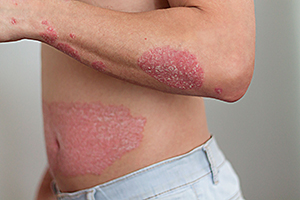
Ayurveda, the traditional system of medicine from srilanka , offers a variety of treatments for skin diseases. Here are some common skin conditions and corresponding Ayurvedic treatments:
- Eczema (Vicharchika):
Herbs: Neem, turmeric, and manjistha.
External Application: Neem oil, turmeric paste.
Diet: Avoid spicy and oily foods, increase intake of green leafy vegetables and fruits.
Lifestyle: Practice yoga and meditation to reduce stress.
- Psoriasis (Kitibha):
Herbs: Neem, turmeric, guggul, and amla.
External Application: Aloe vera gel, neem oil.
Diet: Follow a pitta-pacifying diet; avoid salty, spicy, and sour foods.
Lifestyle: Regular exercise and maintaining proper hygiene.
- Acne (Yuvan Pidika):
Herbs: Neem, turmeric, sandalwood, and aloe vera.
External Application: Sandalwood paste, neem face packs.
Diet: Avoid junk food, fried items, and excessive dairy products; drink plenty of water.
Lifestyle: Maintain a regular cleansing routine and reduce stress.
- Vitiligo (Shwitra):
Herbs: Babchi seeds (Psoralea corylifolia), turmeric, and neem.
External Application: Babchi oil.
Diet: Avoid non-vegetarian food and excessive intake of citrus fruits.
Lifestyle: Exposure to early morning sunlight and practicing stress-reducing activities.
- Fungal Infections:
Herbs: Neem, turmeric, and tulsi (holy basil).
External Application: Neem oil, turmeric paste.
Diet: Avoid sugary foods and fermented items.
Lifestyle: Maintain proper hygiene, keep the affected area dry and clean.
- Dermatitis:
Herbs: Aloe vera, neem, and licorice.
External Application: Aloe vera gel, neem oil.
Diet: Avoid foods that aggravate allergies, such as dairy, wheat, and processed foods.
Lifestyle: Practice stress management techniques like yoga and meditation.
In Ayurveda, treatments are highly individualized based on a person’s body type (dosha: Vata, Pitta, Kapha) and specific condition. Consulting with a qualified Ayurvedic practitioner is essential to receive a personalized treatment plan.
Ayurveda, the traditional Sri Lanka system of medicine, offers treatments for various eye and ear conditions. Here are some common diseases and their Ayurvedic treatments:
Eye Diseases

- Conjunctivitis (Netra Abhishyanda):
Treatment: Triphala eyewash, applying sandalwood paste around the eyes, and using rose water drops.
- Cataract (Timira):
Treatment: Regular use of Triphala ghrita (a medicated ghee) and using herbal eye drops like Saptamrita Lauha.
- Dry Eye Syndrome (Shushkakshipaka):
Treatment: Instilling Anu Taila (a medicated oil) in the nostrils, Triphala ghrita, and consuming ghee and Triphala churna (powder).
- Glaucoma (Adhimantha):
Treatment: Ghee processed with herbs like Amalaki, Haritaki, and Bhringraj, along with herbal eye drops like Punarnava Mandur.
Ear Diseases

- Ear Infection (Karna Shula):
Treatment: Using medicated oils like Bilva taila, Karna Purana (instilling warm herbal oils into the ear), and consuming herbal formulations like Dashamoola.
- Tinnitus (Karnanada):
Treatment: Nasya (nasal administration of medicated oils) with Anu Taila, and Shirodhara (pouring of medicated oil on the forehead) with sesame oil.
- Hearing Loss (Badhirya):
Treatment: Use of Bilva taila or Sarshapadi taila (mustard oil preparation) for ear drops, and herbs like Ashwagandha and Brahmi for overall strengthening.
- Ear Wax (Karna Malini):
Treatment: Warm sesame oil or specific ear drops to soften and remove the wax.
General Recommendations
Diet: Following a balanced diet with an emphasis on fresh fruits, vegetables, and whole grains.
Lifestyle: Regular exercise, adequate sleep, and stress management through yoga and meditation.
Hydration: Drinking plenty of water to keep the body hydrated.
Avoiding Irritants: Keeping away from smoke, pollution, and other irritants that can affect the eyes and ears.
It’s essential to consult with a qualified Ayurvedic practitioner before starting any treatments, as they can tailor the recommendations to your specific condition and constitution.

Ayurvedic treatments for growth retardation focus on natural remedies, diet, lifestyle changes, and herbal medicines. Here are some common Ayurvedic approaches to address growth issues:
- Balanced Diet: A nutritious diet rich in proteins, vitamins, and minerals is essential. Foods like milk, ghee, honey, almonds, and fresh fruits and vegetables are recommended.
- Herbal Remedies: Certain herbs are believed to promote growth and overall health. These include:
Ashwagandha: Known for its rejuvenating properties.
Shatavari: Helps in improving overall strength and stamina.
Bala: Often used for enhancing muscle strength and physical endurance.
- Massage (Abhyanga): Regular oil massage with medicated oils like Bala oil can stimulate growth and improve blood circulation.
- Yoga and Exercise: Specific yoga postures and exercises can help in enhancing growth by improving blood flow and stimulating the endocrine system.
- Rasayana Therapy: This is a rejuvenation therapy that includes a combination of herbs and practices aimed at improving overall health and longevity.
- Proper Sleep: Adequate and quality sleep is crucial for growth and development, as it is during sleep that growth hormone levels peak.
- Avoid Stress: Stress can negatively impact growth. Practices like meditation and pranayama can help reduce stress levels.
Consulting with an Ayurvedic practitioner is essential to get a personalized treatment plan based on individual needs and body constitution (Prakriti).

Ayurvedic treatments for speech and conversation problems can vary based on the underlying cause, such as neurological issues, developmental delays, or other health conditions. Here are some general Ayurvedic approaches that might be considered:
- Herbs and Natural Remedies
Brahmi (Bacopa monnieri): Known for enhancing cognitive functions, memory, and speech.
Vacha (Acorus calamus): Traditionally used for speech disorders and improving clarity of speech.
Ashwagandha (Withania somnifera): Helps in reducing stress and improving brain function.
Mandukaparni (Centella asiatica): Beneficial for nervous system health and cognitive functions.
- Dietary Recommendations
Balanced Diet: Incorporate a diet rich in fresh fruits, vegetables, whole grains, and lean proteins.
Ghee: Clarified butter is believed to enhance brain function.
Avoidance: Reduce intake of processed foods, refined sugars, and excessive stimulants like caffeine.
- Lifestyle and Yoga
Yoga and Pranayama: Practices like Ujjayi breathing and Bhramari pranayama can improve speech by enhancing respiratory control and reducing anxiety.
Meditation: Helps in calming the mind and improving focus and clarity in speech.
- Specific Therapies
Nasya: Nasal administration of medicated oils, like Anu Taila or Brahmi Ghrita, can be beneficial.
Shirodhara: Pouring of medicated oil or milk on the forehead can help in reducing stress and improving cognitive functions.
- Professional Consultation
Speech Therapy: Combining Ayurvedic treatments with conventional speech therapy can be highly effective.
Customized Treatment Plan: Consult with an Ayurvedic practitioner for a personalized treatment plan based on individual constitution (Prakriti) and specific conditions.
Before starting any new treatment, it’s essential to consult with a healthcare provider or an Ayurvedic practitioner to ensure safety and appropriateness for your specific situation.

Ayurvedic medicine offers various treatments for women’s health issues, focusing on balancing the body’s doshas (vital energies: Vata, Pitta, and Kapha). Here are some common conditions and their Ayurvedic approaches:
- Menstrual Disorders: Ayurveda addresses conditions like irregular periods, PMS, and cramps with treatments such as herbal supplements (e.g., Shatavari, Ashoka), dietary adjustments, and lifestyle changes to balance hormones.
- PCOS (Polycystic Ovary Syndrome): Treatments may include herbs like Turmeric and Guggul, dietary modifications, and practices like yoga to balance hormones and improve metabolic function.
- Menopause: Ayurvedic remedies focus on balancing Vata dosha, which can be disturbed during menopause. Treatments may involve herbs like Shatavari and Amalaki, along with a diet rich in grounding and nourishing foods.
- Endometriosis: Ayurveda may use a combination of anti-inflammatory herbs (e.g., Ginger, Turmeric), detoxifying practices (like Panchakarma), and dietary changes to manage symptoms and support overall reproductive health.
- Fertility Issues: Ayurvedic treatments for infertility may include herbs like Ashwagandha and Shatavari, along with lifestyle changes and dietary practices aimed at improving reproductive health and balance.
- Vaginal Health: To address issues like infections or dryness, Ayurvedic treatments may involve topical applications, herbal baths, and dietary adjustments to support vaginal health and overall well-being.
Always consult with a qualified Ayurvedic practitioner to tailor treatments to your individual needs.

Ayurveda, the traditional system of medicine from Sri Lanka, offers various treatments for childhood diseases. Here are some common childhood conditions and their Ayurvedic approaches:
- Common Cold and Cough: Use of herbal teas like ginger and tulsi (holy basil), and steam inhalation with essential oils.
- Digestive Issues: For problems like constipation or indigestion, Ayurvedic remedies may include mild herbal laxatives like Triphala or digestive herbs such as cumin and fennel.
- Skin Conditions: For conditions like eczema or rashes, topical applications of coconut oil or turmeric paste can be soothing.
- Fever: Herbal teas and syrups with ingredients like neem and tulsi can help manage fever and its associated symptoms.
- Ear Infections: Warm oil drops with garlic or sesame oil can be used as part of an Ayurvedic regimen.
- Respiratory Conditions: Herbal formulations containing herbs like licorice and Pippali can support respiratory health.
Always consult a qualified Ayurvedic practitioner to tailor treatments to your child’s specific needs and to ensure safety and effectiveness.

Ayurveda, the traditional Srilankan system of medicine, offers various approaches to managing tumors, focusing on balancing the body’s doshas (vata, pitta, and kapha) and supporting overall health. Some common Ayurvedic treatments and recommendations for tumors include:
- Diet and Nutrition: Emphasis on a balanced diet that is tailored to the individual’s dosha. Foods that are believed to have anti-cancer properties, such as turmeric, ginger, garlic, and green leafy vegetables, are often recommended.
- Herbal Remedies: Certain herbs, such as Ashwagandha, Tulsi (holy basil), and Triphala, are used for their potential anti-inflammatory and immune-boosting properties.
- Panchakarma: This is a detoxification process that may include therapies such as oil massages, steam treatments, and enemas to remove toxins from the body.
- Lifestyle Changes: Recommendations might include stress management techniques, yoga, meditation, and adequate sleep to support overall well-being.
- Rasayana Therapy: This is a rejuvenation therapy aimed at enhancing the body’s vitality and resilience.
It’s important to consult with a qualified Ayurvedic practitioner for personalized recommendations and to discuss any treatment plan with a medical professional, especially when dealing with serious conditions like tumors.

Ayurveda, the ancient system of medicine from India, offers various treatments for dental diseases using natural herbs, oils, and holistic practices. Here are some common dental issues and their Ayurvedic treatments:
1. Toothache (Dantashool)
Clove Oil (Lavangadi Taila): Apply clove oil directly to the affected tooth. It has analgesic and anti-inflammatory properties.
Garlic Paste: A paste made from garlic cloves can help in reducing tooth pain due to its antibacterial properties.
Dashamoola Decoction: Rinsing with a decoction of Dashamoola (a group of ten roots) can help reduce pain and inflammation.
2. Gum Disease (Dantveshta or Pittaja Dantveshta)
Triphala: Rinsing with a decoction made from Triphala (a combination of three fruits: Haritaki, Bibhitaki, and Amalaki) helps reduce inflammation and strengthens gums.
Turmeric (Haridra): Apply a paste of turmeric mixed with mustard oil on the gums to reduce swelling and bleeding.
Aloe Vera: Massaging gums with aloe vera gel can soothe inflammation and promote healing.
3. Bad Breath (Halitosis)
Herbal Mouthwash: Rinsing with a mouthwash made from Triphala or neem leaves can reduce bad breath by eliminating oral bacteria.
Cardamom and Fennel Seeds: Chewing these seeds helps freshen breath and aids digestion.
Oil Pulling: Swishing sesame or coconut oil in the mouth (for 10-15 minutes) can help cleanse the mouth and reduce bad breath.
4. Tooth Decay (Dantakshaya)
Neem (Nimba) Twigs: Chewing on neem twigs can prevent tooth decay due to their antibacterial properties.
Licorice Root (Yashtimadhu): Rinsing with a decoction of licorice root can help prevent cavities and strengthen teeth.
Ayurvedic Tooth Powder: A mixture of powders like Triphala, neem, and rock salt can be used to brush teeth and prevent decay.
5. Mouth Ulcers (Mukha Paaka)
Honey and Turmeric Paste: Applying a mixture of honey and turmeric on ulcers can promote healing and reduce pain.
Coriander Seeds Decoction: Rinsing with a cooled decoction made from coriander seeds can soothe ulcers.
Amla (Indian Gooseberry): Consuming Amla or using it as a mouth rinse can help in healing mouth ulcers due to its high vitamin C content.
6. Dry Mouth (Shushka Mukha)
Hydration: Regularly sip warm water infused with a pinch of rock salt and a few drops of lemon juice.
Aloe Vera Juice: Consuming aloe vera juice can help keep the mouth hydrated.
Chandana (Sandalwood): Applying sandalwood paste on the tongue can help stimulate saliva production.
7. Teeth Whitening
Babul Tree (Acacia Arabica): Brushing with a powder made from the bark of the Babul tree can help whiten teeth.
Baking Soda and Salt: A paste made from baking soda and salt can act as a natural teeth whitener.
Neem Twigs: Chewing on neem twigs regularly can naturally whiten teeth.
General Ayurvedic Dental Care Tips:
Diet: A diet rich in fresh fruits, vegetables, and whole grains helps maintain oral health. Avoid excessive sugar, processed foods, and sticky foods that can contribute to dental issues.
Oil Pulling: Regular oil pulling with sesame or coconut oil helps detoxify the mouth and maintain oral hygiene.
Tongue Scraping: Using a tongue scraper daily helps remove toxins and bacteria from the tongue.
Ayurveda emphasizes prevention through daily routines, diet, and natural remedies. However, it’s essential to consult with a qualified Ayurvedic practitioner for personalized advice and treatment, especially for chronic or severe dental issues.